
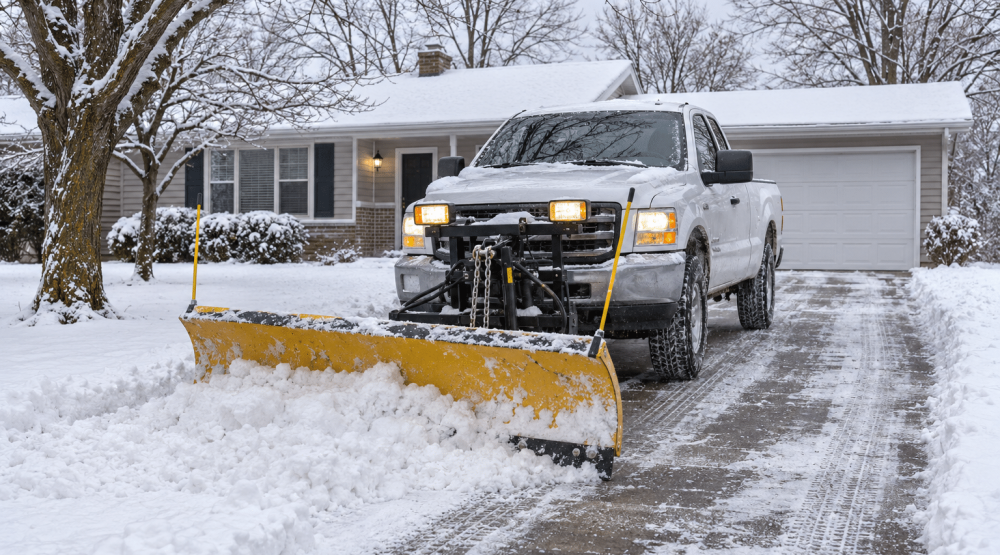
Before the first lasting snowfall, walk your property and decide what must stay accessible, where cleared snow can go, and which obstacles a snow crew needs to see. A clear plan makes snow removal easier to coordinate when winter weather arrives.
For Chicago-area homeowners and property managers, November is a useful time to handle these details while driveways, lawn edges, and drainage routes are still visible. This checklist focuses on preparing the property itself, whether you manage a small driveway or a larger parking area.
1. Identify the Areas That Need Clearing
Start with a simple property map or a set of photos. Mark the driveway, pedestrian paths, steps, entrances, and any parking spaces that must remain usable. A plowed driveway does not automatically mean the front steps or side walkway are included in a service agreement.
- Identify the entrances used every day.
- Mark accessible routes and ramps where present.
- Note gates, delivery areas, and waste-container access.
- For shared properties, identify who communicates with residents or tenants.
C.O. Landscaping & Natural Stone offers snowplowing and shoveling services for residential and commercial properties. Discuss the areas you want covered so the scope is clear before service begins.
2. Mark Edges and Hidden Obstacles
Snow can hide the boundary between pavement and planting beds. Before the ground freezes, identify driveway edges, low retaining walls, irrigation components, decorative stones, and other features that equipment should avoid.
Use appropriate markers where needed and share photographs with your provider. Move loose planters, hoses, toys, and portable decorations out of clearing routes. If an existing surface is cracked, uneven, or loose, point it out during the property review rather than expecting a crew to discover it under snow.
3. Agree on Snow-Storage Locations
Cleared snow needs somewhere to go. Choose locations that leave room for future storms and preserve sightlines, pedestrian access, and usable parking. Avoid placing piles where melting snow will flow across a busy walkway and create another maintenance problem.
Keep fire hydrants, entrances, and drainage paths accessible. Discuss delicate plantings and other areas that should not receive large piles. If the property has limited storage space, ask how an unusually snowy period would be handled and whether additional work would require a separate agreement.
4. Clarify the Service Details
Do not assume every snow-removal plan works the same way. Ask specific questions and keep the answers with your property records:
- What accumulation or conditions trigger a visit?
- Which surfaces are plowed, and which are shoveled?
- What happens during a storm that lasts many hours?
- Are deicing treatments included or quoted separately?
- How are parked vehicles, locked gates, and blocked routes handled?
- Who should you contact about a missed area or a change in access?
Discuss expectations for your property directly. Response times, return visits, pricing, and treatment options depend on the agreed service plan; they should never be inferred from a general blog article.
5. Plan for Ice as Well as Snow
Clearing snow is only one part of winter access. Watch places where downspouts discharge near pavement, meltwater crosses a path, or shaded areas stay cold. Let your provider know about recurring trouble spots.
Discuss products suited to the surfaces and nearby landscaping, and follow product labels rather than applying extra material by habit. For related considerations, read our guide to managing ice on walkways and parking lots.
6. Finish Fall Cleanup Before Snow Covers the Ground
Remove loose debris from access routes and clear heavy leaf accumulations from the lawn. A final cleanup also gives you a chance to spot low areas, damaged edging, and obstacles before they disappear beneath snow.
Our seasonal landscaping maintenance can help coordinate fall cleanup with winter preparation. For lawn timing, see when to stop mowing your lawn in Chicago.
7. Check the Forecast and Keep Access Information Current
Save your provider’s contact details and share changes to gate access, parking arrangements, or priority entrances. Follow local forecasts and prepare before conditions deteriorate. The National Weather Service’s winter preparation guidance recommends preparing home and workplace supplies ahead of a storm.
Discuss Your Snow-Removal Plan With C.O.
A useful winter plan starts with the details of your own property. C.O. Landscaping & Natural Stone serves Chicago-area homes, businesses, and multifamily properties with snowplowing and shoveling planned around agreed access needs.
Contact C.O. Landscaping to discuss your property, service scope, and current availability before winter weather arrives.